
The Allure of Chance in Gambling
The psychology behind casino game choices is deeply intertwined with the concept of luck. The allure of chance provides an irresistible draw for many gamblers who find excitement and suspense in the possibility of winning. This phenomenon is often described as a gambling rush, where the thrill derived from uncertainty can outweigh the rational understanding of odds and probabilities. Players are not merely engaging with a game; they are immersing themselves in a world where fortune could strike at any moment, especially as they consider options such as casino not on gamstop.
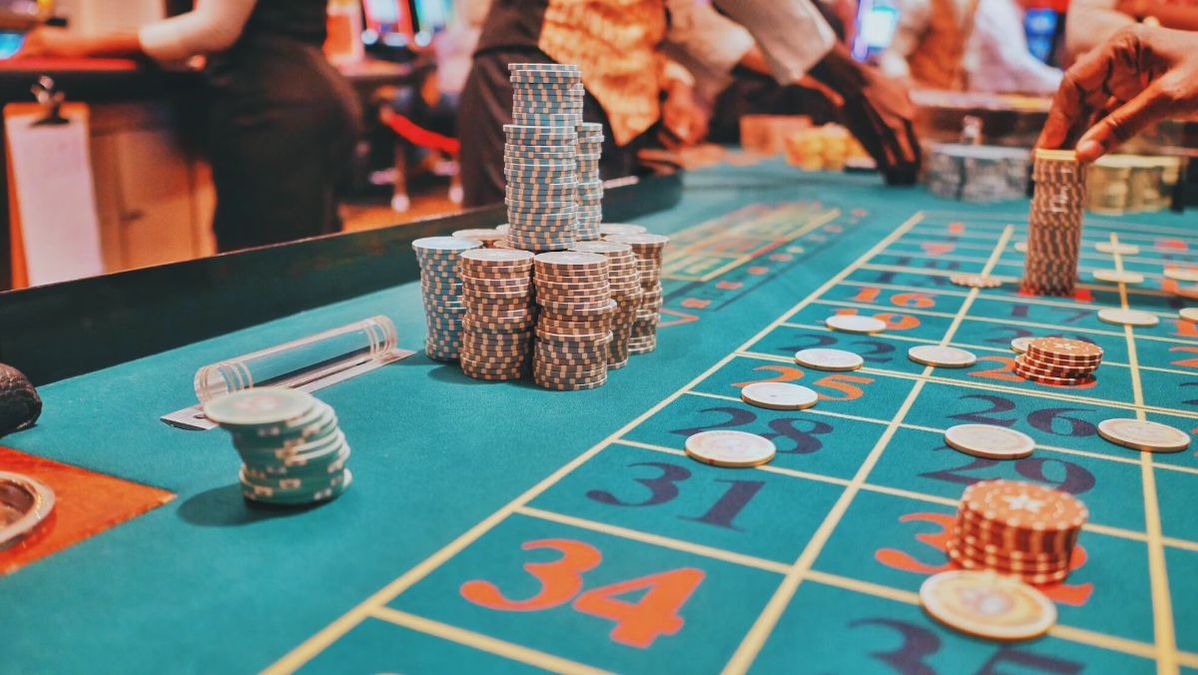
Many gamblers believe in the notion of “lucky” numbers or patterns, which can heighten the psychological engagement with the game. This belief exemplifies the human tendency to search for meaning in randomness. When players attribute outcomes to luck, they may also feel a greater sense of control over their fate, even when the results are governed by chance. This cognitive bias can lead to more frequent participation in gambling activities, as luck becomes a central player in their gaming experience.
Game Selection and Personality Types
Different casino games attract varying player types, often reflecting their personality traits and psychological predispositions. For instance, individuals who thrive on excitement and adrenaline may lean towards high-stakes games like poker or blackjack, where skill can enhance the thrill of the gamble. Conversely, players seeking a more relaxed experience might prefer slot machines, which require minimal decision-making and emphasize luck.
This relationship between personality and game selection can provide insights into why certain players gravitate towards specific gambling activities. As players engage with games that resonate with their psychological profile, they often experience a more profound connection to the gaming experience, reinforcing their choices and the perception of luck’s role in their success.
The Role of Superstitions in Gambling
Superstitions play a significant role in casino gaming, as players often develop rituals or beliefs that they believe will influence their luck. From wearing specific colors to carrying lucky charms, these practices highlight the intersection between psychology and gambling. Such rituals provide comfort and a semblance of control, allowing players to cope with the unpredictability of game outcomes.
Moreover, the belief in superstitions can lead to a more engaging and enjoyable gaming experience, as players invest in their rituals and derive pleasure from the act of gambling itself. These beliefs can affect decision-making processes, leading players to take risks they might otherwise avoid, ultimately reinforcing their ongoing participation in gambling activities.
The Impact of Losses on Decision-Making
In the realm of gambling, losses can significantly impact a player’s decision-making process. The psychology of loss aversion explains that individuals typically prefer to avoid losses rather than acquire equivalent gains. This can lead to players doubling down on their bets after a series of losses, hoping to recoup their losses and relying heavily on the chance factor.
This behavior illustrates the complex relationship between luck and gambling choices. Players may believe that luck is about to change after a streak of bad outcomes, prompting them to continue their gambling endeavors despite statistical evidence suggesting otherwise. Understanding this psychological tendency is crucial for recognizing how individuals relate to risk and chance in gambling scenarios.
Safe Browsing and Responsible Gambling Awareness
As players explore the thrilling world of casino games, it is essential to understand the importance of responsible gambling practices. Websites dedicated to gambling often implement security measures to protect users and enhance their overall experience. These protocols aim to create a safe environment, allowing players to engage with their favorite games without the fear of fraud or breaches.
It is vital for players to remain informed about their gambling habits and the potential risks associated with excessive play. Engaging with platforms that prioritize user safety not only fosters a more enjoyable experience but also promotes a culture of responsible gaming. Ultimately, being mindful of one’s gambling behaviors can lead to a healthier relationship with luck and chance in the world of casinos.